Hemorrhoids are a very bothersome problem. Bothersome from the standpoint of pain, bleeding, and difficulty having a bowel movement. And bothersome because they just don’t go away. They swell up when you get constipated, or when you have a large, hard, or explosive bowel movement. They shrink once the fecal material softens or when you don’t have to strain to have a bowel movement.
Hemorrhoids are swollen, dilated, and engorged blood vessels located in and around the rectum. In essence, they are varicose veins of the rectum. Hemorrhoids found inside the rectum are called internal hemorrhoids and those at the opening of the rectum are called external hemorrhoids. Either way, they are painful and prone to bleeding. They are a very common problem in adults and because they are so troublesome, patients will seek any treatment that helps.
Since constipation is responsible for causing most cases, treating that is the first step.
Increasing fiber and fluids in our diet is the cornerstone of treatment. “Increasing fiber intake decreases chronic symptoms by 53% compared to treating hemorrhoids without fiber.” Avoiding straining and sitting on the commode too long are very important. Of course, once hemorrhoids have developed, they aren’t going away, but they can be kept under control by the application of topical steroids, anesthetics, or antiseptics. In my personal experience, warm sitz baths also help greatly. The only thing you need to put in the sitz bath is your hemorrhoid-laden buttocks. Betamethasone valerate or fluocinonide creams are two prescription steroid creams that work well. Apply cream to the anus twice a day and after a BM.
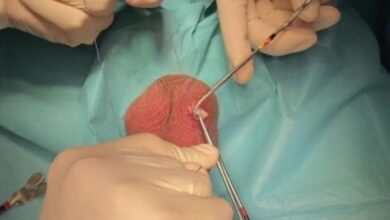
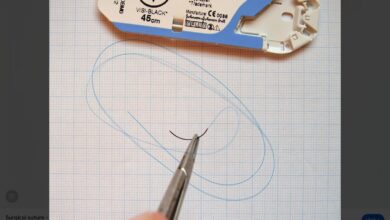
If you correct constipation and reduce pain and swelling with sitz baths and topical preparations, you can maintain this treatment indefinitely. If you don’t, your next option enters the realm of surgery. Surgery includes rubber band ligation, injection sclerotherpy, or actual excision of external hemorrhoids. Internal hemorrhoids are more difficult to excise and require the use of a Doppler. The Doppler locates the dilated rectal veins which are then tied off with sutures.
Rubber band ligation involves locating the hemorrhoids and then applying a tiny rubber band ring around the base, shutting off the blood supply. The tissue dies and then is sloughed off with a BM. This procedure works well for pain relief, but 1 in 7 patients require a subsequent re-do or regular hemorrhoidectomy.
Injection Sclerotherapy I have not seen done, but my reference claims it is 98% effective. The hemorrhoids are injected with Varithena foam and scar up after and shrink in size reducing the symptoms.
There aren’t a lot of options for treating hemorrhoids, but the majority are controlled without surgery. Sitting in warm water for 20 minutes followed by betamethasone cream once or twice a day, and treating constipation, will satisfy a majority of the cases. Hemorrhoids won’t go away, but treatment of this sort will make them much less bothersome.
Reference: Arnold MJ, Smith D. Management of Hemorrhoids: Guidelines from the ASCRS. AM Fam Phys 2025 December;112(6):694-695.