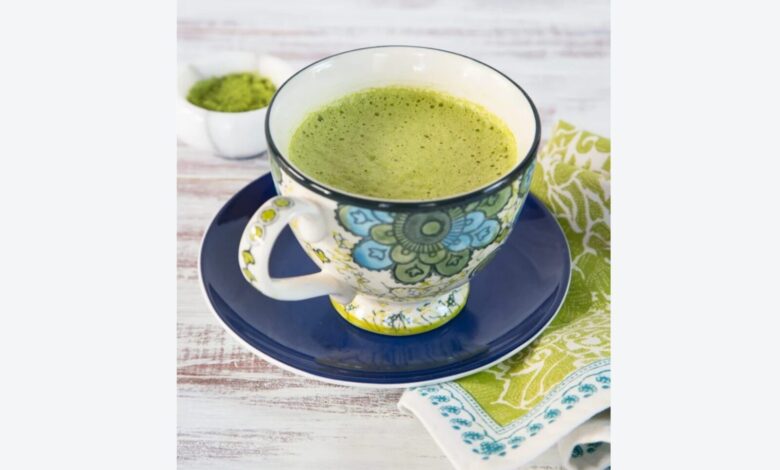
Until I read the reference article cited here I had never heard of MATCHA. Matcha is a popular Japanese green tea about which numerous outlandish and unsubstantiated claims have been made. It is an antioxidant with allegedly a 3 times higher effect than normal. Proponents claim Matcha improves bone strength, reduces blood pressure, lowers cholesterol, reduces muscle soreness, and improves cognition. It also burns up fat, improves blood sugar, and has a calming effect. Some even claim Matcha has “anti-cancer efficacy.”
As a result of these purported health benefits, Matcha has become standard fare on cafe menus, bakery lists, and is added to cookies, ice cream, and shakes. It’s big claim now is that drinking it causes weight loss and reduced waist circumference.
Because so many claims have been made about Matcha, it has undergone many investigations to verify their validity or prove it to be a money-making hoax. The results of these investigations and what they signify follow next:
Matcha provides nutrients that reduce waist circumference by 1 inch—unsubstantiated
Matcha provides 100% of polyphenols and dietary fiber human bodies need—unverified
Matcha may have cardiovascular benefits—large-scale studies in this context are lacking
Drinking highly concentrated green tea in large single doses is associated with liver toxicity
The amount of Caffeine in Matcha causes sleep disturbances, restlessness, palpitations, and
GI irritation
The antioxidant properties of Matcha cannot be ignored and may actually contribute to health benefits. Matcha does improve alertness and cognitive performance. However, it does not reduce waist circumference or have cardiovascular benefits. High doses and concentrations do have health risks, liver toxicity being the worst of them. Like so many things in life, a little is good but more is too much and can be consequential.
I think Matcha is a niche phenomenon that people of the non-Starbucks ilk are unlikely to ever deal with. But knowing about it and it’s harmful effects is worthwhile information.
Reference: Paik W. Matcha’s Weight-Loss Promise: Too Good to be True? medscape.com 2026 October 20.