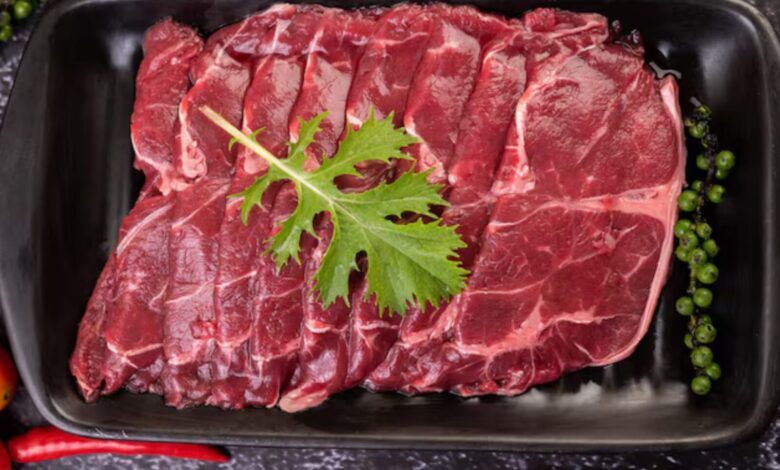
Recently, I wrote a post about ultra-processed foods and how they have become commonplace in the “normal” American diet, and about how our diets are also low in vegetables, fruits, and grains. In response to this trend, the US Department of Agriculture (USDA) and the Department of Health and Human Services (HHS) issued new federal dietary guidelines for the public. The new guidelines, which emphasize nutrient-dense foods like protein, full-fat dairy, vegetables, fruits, healthy fats, and whole grains, while limiting processed foods, refined carbohydrates, and added sugars, has been met with staunch resistance by a group of physicians in Washington, D.C.
The Physicians Committee for Responsible Medicine filed a complaint in US District Court alleging HHS ignored the input from a scientific panel of 20 nutritional experts, and instead hired a hand-picked panel of meat, dairy, and fad diet industry advocates who had conflicts of interest that affected their decision-making. The committee spent nearly two years evaluating the evidence and hearing public comments before issuing their final report. They claim the guideline panel members were not fairly balanced in their viewpoints, and they wanted the court to force the government to withdraw the guidelines.
In addition to the nutritional experts, 200 prominent members of the medical and research communities wrote a letter to the USDA expressing concern the guidelines were not evidence- based. They objected to the food pyramid being inverted which placed greater importance on meats and whole-dairy and less emphasis on whole grains; the opposite of the previous guidelines. The increased emphasis on meat, full-fat dairy, and saturated fat has a lot of experts concerned.
Other allegations, besides the conflicts of interest are the government did not publish a charter or meeting notices nor did it provide for public access to meetings. And ultimately the Physician committee wants the court to direct the government to withdraw these guidelines and issue new directives that avoid the taint of institutional bias.
I have no idea how this situation will shake out, but there has been nothing but disdain for the new guidelines. This reaction to these guidelines should have been anticipated because the committee changed things 180° from what they had been for many years. The guideline panel has muddied the water because they have done nothing to defend their decisions nor have they offered any evidence to persuade anyone to the contrary.
To me it seems like a judge, or judges, have no business ruling on this controversy, and it’s an issue that should be decided by the scientific community itself; people who know what they’re talking about. But the Dept. of HHS is a powerful entity whose policies and positions are usually not challenged. Where this all goes depends on whether the new guidelines are proven to be helpful health-wise or just a sham policy to discredit the establishment. We’ll see.
Reference: Ault A. Doctors’ Group Sues to Force Withdrawal of Federal Dietary Guidelines.
medscape.com 2026 September 1.