Heart failure is a vague term that has different meanings depending on the circumstances at hand. Heart failure goes by different names— congestive heart failure, cardiac dysfunction, myocardial insufficiency, or cardiac failure. It is clearly distinguishable from a heart attack, or myocardial infarction, because of the difference in the means by which the heart fails. Heart failure means the heart muscle is no longer capable off pumping blood through the lungs and body as efficiently as normal. Something has weakened the heart and reduced its ability to adequately supply the vital organs with the oxygen and nutrients needed to maintain good health.
A heart attack is a sudden change in the heart function cased by a coronary artery that is clogged with arteriosclerotic plaque. Blood, oxygen, and nutrients are unable to get past the obstruction and the area of the heart beyond the blockage dies. This dead heart muscle is fragile, irritable, and functionless, and spawns arrhythmias, chest pain, and poor pumping function of the heart. Heart failure can occur as the result of a heart attack.
What symptoms does heart failure cause? Shortness of breath with exertion is the main symptom. Shortness of breath can occur at rest (in late stages), while lying down in a supine position, or it can suddenly waken you at night. HF also causes fatigue and significant decline in physical activity. Weight gain, ankle swelling, and frequent urination at night also occur.
In many cases of heart failure other medical conditions co-exist. High blood pressure, coronary artery disease, diabetes, chronic kidney disease, obesity, and atrial fibrillation are frequent significant co-morbidities.
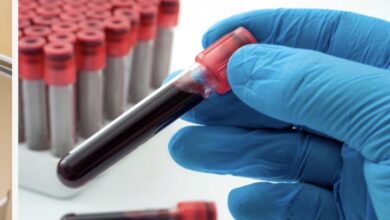
The diagnosis of heart failure is relatively straightforward. Physicians diagnose it from history and findings on physical examination. If the doctor is uncertain about the diagnosis, a blood test called Brain Natriuretic Peptide (BNP) will provide helpful screening information to substantiate the diagnosis.
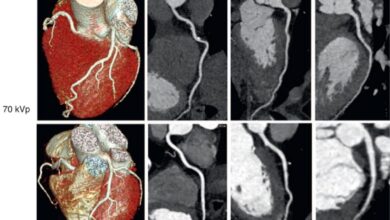
The “gold standard” test, however, is an echocardiogram. Echocardiography assesses pumping function, valve function, and chamber size and wall motion. Technology has advanced so much that measurements of nearly every function of the heart can be recorded giving the doctor more than enough data to formulate an effective treatment plan. The message that came loud and clear from my reference is that echocardiography is a painless, non-invasive, incredibly informative test that should be done early—if there’s an inkling of suspicion of heart failure. Earlier rather than later is the best way to use echocardiography.
As I mentioned above, heart failure doesn’t occur in a vacuum. It nearly always is accompanied by a co-morbidity such as diabetes, chronic kidney disease, or obesity. These are debilitating as lone entities, but when they occur in conjunction with heart failure, symptoms are usually worse.
Dr. G’s Opinion: Heart failure is a serious condition. In my early years of practice, I saw patients in heart failure almost every day. Cardiac care was in its “infancy” back then, but today, diagnostics and treatments are better. Before I retired, cases of heart failure in my practice were rare. But according to Google, cases of pulmonary edema (extreme heart failure) have increased. In 1975, coronary disease ended the lives of many in their 50’s. Today, better care of secondary diseases like hypertension and diabetes, plus angioplasty, stenting, and revascularization of coronary artery disease have done wonders for preserving myocardium and delaying the onset of heart failure to an older age. Early diagnostics (echocardiography) are important prognostically. Longevity and quality of life have improved. Heart failure is delayed. And people who would have died in their 50’s now live into their 70’s and 80’s.
Reference: van den Huevel M. Five Steps to Earlier Heart Failure Detection. medscape.com 2026 August 17.