I’ve read numerous articles on physician burnout, the causes, the warning signs, and the solutions. Rarely do those articles address the reason I see as the true cause—declining payment for the services provided. No, it’s not long hours and hard work. It’s not seeing 40-50 patients a day. No, it’s feeling like the service you provide isn’t being valued as it should be. When you work your fanny off all day long and don’t get paid for it, you become disheartened. You feel disrespected and cheated. And indeed you are being cheated. You and all your colleagues who deal with Medicare have been cheated and robbed for 30+ years. This is not new information, but Congress refuses to change the system.
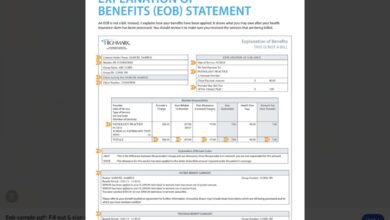
When you accept Medicare assignment, you’re at the mercy of Medicare for revenue. They tell you how much you can charge, and they tell you how much you’ll be paid for that charge plus everything else you do. Year after year, Medicare physician payments decline by 1% or 2%. Finally, after enough time passes, the decline in payments reaches a critical point where they are no longer adequate to keep your practice afloat. When that happens, you either quit or do something else.
One example of something else is the direct primary care practice model, AKA concierge medicine. As has been mentioned by me before, in this practice model, patients pay the doctor an annual, quarterly, or monthly retainer, or membership fee. This payment gives patients access to the doctor 24/7/365 at no cost, or for a small co-pay. The patient has health insurance for hospitalizations or catastrophic care. The family doctor is not paid by Medicare or commercial payers, but by the retainer fee. That fee may be $2000 to $5000 annually. The doctor has a smaller panel of patients, and is then able to spend longer with each patient, and provide them the service they need. Billing is unnecessary because the retainer covers it. The doctor is free to spend as much or as little time as he wants on patient care.
A “comparison study” conducted in 2025 (last year) and reported on medscape.com found direct primary care physicians reported lower burnout levels and higher professional fulfillment than their peers in traditional fee-for-service practice settings. Feeling in control of your practice, being paid adequately, and not being overworked are sure-fire ways to the kind of professional contentment you desire.
Reference: Dhami R. Is Direct Primary Care the Solution to PCP burnout? medscape.com 2026 August 11.