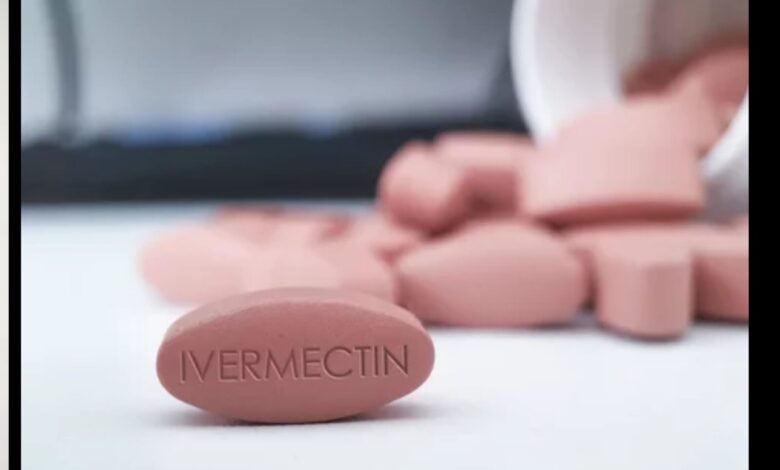
Over the past 5 to 10 years, no drug has been more controversial than Ivermectin. All the uproar during the COVID-19 pandemic about its use to treat the virus earned it a place in the “Hall of Shame” for medical treatments that it has not relinquished. Or should I say, those who recommended it, or heaven forbid, actually prescribed it, were shamed to the point of losing their professional credibility or even the privilege of practicing medicine. In my mind, it was never decided if it really worked. Was it effective against COVID-19? We don’t know because no one was allowed the opportunity to find out!
But Ivermectin refused to go away! It found another niche’ for itself in the treatment of cancer, but like with COVID, it fell into the category of “alternative therapies” because “there were no large-scale randomized controlled trials confirming therapeutic benefits.” Thus ivermectin has been relegated to the social media world where it is widely touted but lacks the clinical evidence to warrant practical application.
Ivermectin is an anti-parasitic drug used by veterinarians. It was discovered in the 1970’s by a Japanese microbiologist and an Irish parasitologist and treats various parasitic diseases. It targets chemical structures in parasites not present in human cells. Thus, it has been used experimentally in humans to treat malaria, trypanosomiasis, and leishmaniasis, among others, without harm, and gained FDA approval in 1978. Investigation of its method of action found that its biochemical characteristics were similar to those of chemotherapeutic agents—it is able to permeate tumor tissue without adverse effects, it inhibits tumor cell growth and multiplication, and causes “immunogenic tumor cell death.” It also enhances the sensitivity of chemotherapeutic drugs so ivermectin achieves it’s best effect when combined with other drugs.
Ivermectin has been studied in the treatment of numerous cancer cell types. Some of those are
BREAST CANCER: studies have shown it inhibits tumor cell growth, and it promotes tumor cell death.
GASTRIC (stomach) CANCER: it is a tumor cell inhibitor.
COLORECTAL CANCER: studies show inhibition of tumor cell growth, but how this happens is not known.
HEPATOCELLULAR CARCINOMA: it blocks tumor growth.
KIDNEY CELL CANCER: significant inhibition of tumor cells is seen without affecting normal kidney cells.
PROSTATE CANCER: ivermectin enhances anti-androgen drug therapy.
LEUKEMIA: IVM preferentially kills leukemia cells without affecting normal blood cells.
LUNG CANCER: studies show inhibited tumor cell growth.
MELANOMA: cells were treated with IVM and effectively inhibited melanoma activity.
And these are just some of the cancers ivermectin has been used to treat.
The effect of Ivermectin on multiple cancers has been proven and re-proven. And, yes, no large scale randomized clinical trials have attempted to corroborate the anecdotal benefit small scale studies have shown. But there appears to be something important going on with this drug.
I know a man in his late-60’s who was diagnosed with stage III colorectal adenocarcinoma after an episode of bright red rectal bleeding. After several months of conventional chemotherapy, he decided instead to go the alternate treatment route, and ivermectin was a major component of his plan. After another several rounds of alternate treatment, he had “MRI’s, and scans” which, he was told, showed no evidence of cancer. He attributes his cancer-free state, of course, to the alternative treatments, and more specifically to ivermectin.
Cancer experts are optimistic in saying ivermectin “shows preclinical promise against cancer but lacks clinical efficacy.” But they also warn that “it’s high dose use poses toxicity risks without proven benefits in human cancer treatment.” Ivermectin is “not a suppressed miracle cure. It is a repurposed drug” that has shown potential vs. cancer. But the author of one reference article states, “There is no credible clinical evidence that ivermectin is a stand-alone cancer cure,” but there is hope as it finds its way through study after study to prove its efficacy, if it truly exists.
References: Loaiza-Bonilla A. The Ivermectin Paradox in Oncology: When a Grain of Science Becomes a “Miracle Cure” myth. Medscape.com; 2026 May 12.
Robalino KN, et al. Ivermectin as an Alternative Anticancer Agent: A Review of its chemical Properties and Theraputic Potential. Pharmaceuticals 2025 Sep 28;18(10):1459.
Patel Y, Chawla J, Parmar MS. Ivermectin in Cancer Treatment: Should Healthcare Providers Caution or Explore its therapeutic Potential. Curr Oncol Rep 2025 Sep 27;27(9):1070-1079.
Tang M, et al. Ivermectin, a potential anticancer drug derived from an anti parasitic drug. Pharmaco Res 2020 SEP 21;163(2021)105207.