THAT CREAM CAUSED A RASH! WHAT’S THAT ABOUT?

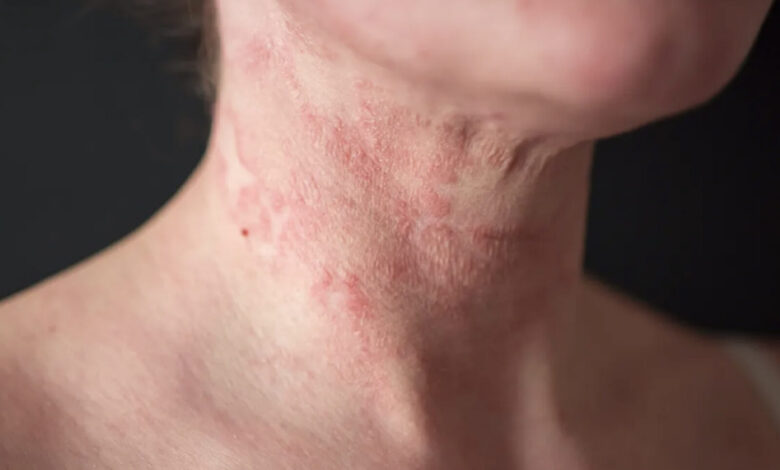
Have you ever had a rash, applied a cream to it, and found the rash got worse? It happens all the time. It happens almost 100% of the time when you use NeoSporin cream or NeoPolycin ointments because a huge number of people are allergic to neomycin. Neomycin is the antibiotic represented by “Neo” in the product name. I can’t tell you how many times patients came in with a wound they had been treating with topical neomycin. The wound wasn’t healing and actually had developed a rash around the edges. The rash just would not clear up.
Why is that? With products containing neomycin it’s easy to tell because the skin of so many people is sensitive (allergic) to it. This is an example of Contact Dermatitis. Something comes in contact with the skin to which it is allergic, and a rash appears. Poison Ivy and nickel in inexpensive jewelry are other very common examples.
It turns out that many skin care products are also guilty of containing chemicals to which people are allergic. “Personal care products (PCP’s) such as soaps, lotions, and fragrances contain ingredients that may cause allergic contact dermatitis….The prevalence of PCP-related dermatitis increased 2.7-fold between 1996 and 2016.” So says a recent study.
This raised significant concern so medical researchers at Stanford University Medical School studied 1651 “natural personal care products” to determine which ingredients were the culprits. They identified 73 unique allergens. These various products contained 1 or more chemicals that were contact allergens. In fact, “only 6% of the “NPCP’s” had no contact allergens!” Thus, 94% of the 1651 products tested contained ingredients that cause a contact dermatitis. “The average number of contact allergens per product was 4.5!”
Wow! That’s amazing! Here we have “natural care” skin products that are supposed to help whose ingredients are capable of causing a dermatitis themselves. Instead of helping, they are actually aggravating the situation. The products studied were all purchased online or at Target, Walgreens, or Whole Foods Market, and were everyday, common, we-use-them-all-the-time products.
This is interesting! I have known about neomycin allergy for years, and saw cases of it frequently in my office. BUT the fact that over 1600 skin care products contain an average of 4.5 ingredients to which patients are allergic compels me to ask for an FDA investigation and banning of the most frequent offenders. In my mind, neomycin tops the list, but many more should be added.
References: News From the JAMA Network. “Almost All Natural Skin Care Products Contain Contact Allergens” JAMA 2022 November 1;328(17):1677.