For the past 16 years, nutrition experts and public health officials have been increasingly concerned about the ingredients of, and chemicals added to, our food supply. There have been multiple studies that have shown associations between ultra-processed food ingestion and increased “all-cause mortality.” Food manufacturers have added chemicals to the food they produce to make it taste better and last longer. At today’s food prices, consumers want that loaf of bread or gallon of milk to last as long as possible.
The additives and some ingredients are added to our food with good intentions, but they have unintended consequences. Examples are artificial petroleum-based food dyes, high fructose corn syrup, “agricultural chemicals,” and contaminants acquired during packaging. These all have “biologic effects” when we ingest them. These biologic effects disrupt normal human physiology and lead to annoying symptoms (eg. diarrhea, gas, bloating, etc.). There is also concern they are implicated in causing chronic diseases.
For some time, this problem has had the full attention of Robert F. Kennedy Jr. After he was named the Secretary of Health and Human Services (HHS), he initiated the MAHA movement. MAHA stands for “Make America Healthy Again.” This program has several purposes, but a major focus is looking at preservatives and other chemical food additives to discover what role they play in our children’s health and the presence of chronic disease. The prevailing thought is they have a big role in our general health and play a part in causing chronic disease. Eliminating ultra-processed foods is a major goal of MAHA advocates.
Ultra-processed foods (UPF) are defined as “durable, accessible, convenient, and palatable food products that often have cosmetic additives and ingredients of no culinary use introduced through industrial processing.” For the consumer these foods “require minimal preparation and are packaged to promote consumption across multiple settings.” UPF’s account for “73% of commercially available products in the US food supply.” Most of the calories consumed in the United States are from ultra-processed foods. That’s a huge concern.
Most ultra-processed foods are high in saturated fats (bad cholesterol), added sugars, and sodium. As we already know, these all contribute to the development of arteriosclerosis which leads to cardiovascular disease and adverse metabolic outcomes. Other added culprits are
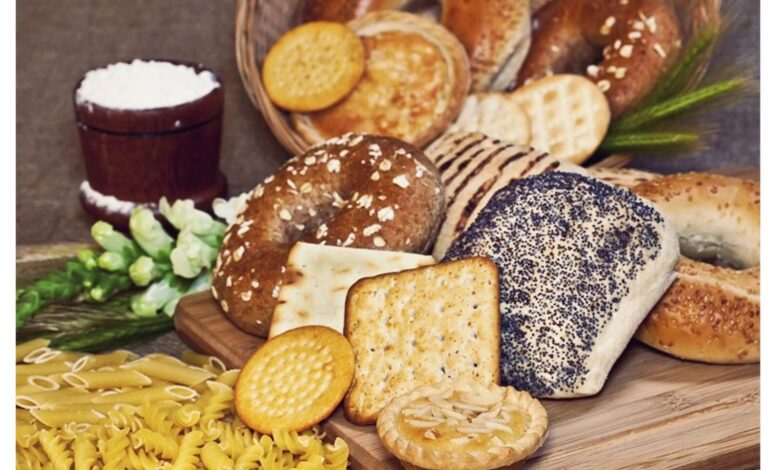
emulsifiers, sugar-containing sweeteners, dyes and colors, “micro particles and nano particles” (whatever they are). It’s common knowledge that foods containing these items cause obesity which increases the risk for diabetes, high blood pressure, hyperlipidemia, and cardiovascular diseases. Other MAHA dietary recommendations include limiting red meat and avoiding “refined grain products, sugar-sweetened beverages, desserts, and candies.” Instead, increase plant-based foods such as vegetables, fruits, legumes, nuts, and whole grains.
Similar recommendations pertain to cancer prevention as well. Restricting red meat and avoiding processed meats, sugar-sweetened beverages, alcohol, refined grain products, and other highly processed foods are advised. Instead, increase veggies, fruits, whole grains, and legumes. The risks for colorectal cancer and post menopausal breast cancer are impacted by these changes.
Mixed alcohol cocktails are considered ultra-processed “foods” and have a role in causing cancers of the oral cavity, the pharynx (throat), the larynx (voice box), esophagus, breast, liver, and the colorectal area.
Ultra-processed foods also correlate clearly with increased risk for Crohn’s disease, ulcerative colitis, and Irritable bowel syndrome. Ultra-processed foods are known to cause chronic GI inflammation and alter gut bacterial flora. Additives affect palatability which affects intake and results in all the adverse effects already mentioned.
There’s little or no evidence of ultra-processed foods being responsible for insomnia, depression, anxiety, and adverse sleep outcomes.
It’s very clear that diets high in sodium and low in whole grains, nuts, seeds, fruits, and veggies contribute to premature mortality. It’s also very clear that eating less red meat, and avoiding processed meats, sugar-sweetened beverages, trans fats, and sodium reduce mortality.
There appears to be a clear ultra-processed foods consumer personality. These are busy folks who don’t spend a lot of time being careful they eat right. They eat on-the-run choosing what’s quick and convenient and ignore nutritional needs. They eat for pleasure rather than physical energy needs. They have higher rates of emotional distress, and eat because they need to. The cost of what they eat is a big concern to them.
The expression “we are what we eat,” is appropriate here. If all of these comments are true, we have been harming ourselves for years. Most people accept these assertions and find them believable, but some folks have difficulty making themselves follow the recommendations. Others, however, are interested only in self-indulgence and do just as they please.
This is the type of public service promotion that for a lot of people doesn’t sink in. The message falls on deaf ears and goes unheeded. People eat what they want with little regard for the consequences, and the fast food industry knows it. That’s why there’s a McDonald’s at every major exit on the Interstate. The idea that they should be replaced by an organic food store or a “Salad-to-Go” is unthinkable.
References: Silver N. Park H, Pinto Y. Health Implications of Ultra-Processed Foods. Am Fam Phys 2026 August;114(2):121-122.
Levy RB, Barata M, Liete MA. How and Why ultra-processed foods Harm Human Health. Proc Nutr Soc 2024 Feb;83(1):1-8.
Zhang Y, Giovannucci EL. Ultra-processed foods and Health: a comprehensive review. Crit Rev Food Sci Nutr.2023;63(31):10836-10848.
Whelan K, Bancil AS, Lindsay JO, Chassaing B, Ultra-processed foods and food additives in gut health and disease. Nat Rev Gastroenterol Hepatology 2024 June;21(6):406-427.