

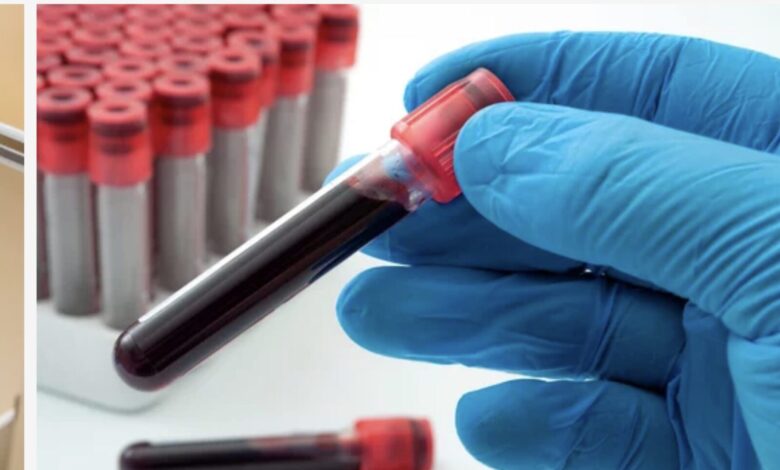
It amazes me how often and how rapidly things in medicine change. Inquiring minds are everywhere in the vast realm called health care, and they are constantly looking for something new and better. We hear of new drugs all the time. New procedures are developed to treat a difficult problem more successfully. And blood tests that doctors relied heavily upon are replaced by tests with a more specific focus and more precise accuracy.
Case in point is an article from the UK that talks about “5 Deceptive Lab Tests to Drop for Better Options.” These five tests have always produced uncertain results that were skewed by factors that were uncontrollable. Most adults have had at least 2 or 3 of these tests. They are:
Vitamin B-12 level
Serum Iron (Fe) level
Creatinine level
Total Testosterone level
Lipid Profile
WOW! Creatinine and lipid profile? Those are two biggies: creatinine is a measurement of kidney function and is included in any chemistry panel ever drawn, and a lipid profile is the group of tests that measure good, bad, and total cholesterol levels. Most American adults have had that test some time in their life. Why they and others are being replaced follows now.
Vitamin B-12 deficiency causes a type of anemia called pernicious anemia and is one of the many causes of peripheral neuropathy. B-12 deficiencies in the U.S. are quite rare, and this vitamin has a greater reputation as a placebo than a therapeutic marvel. B-12 doesn’t flow free in the blood stream, but is bound instead to a protein. It remains inactive as long as it is bound to the protein. The new test recommended instead of B-12 is called holotranscobalamin, and it is a measurement of the free (or unbound) B-12. It gives a more accurate picture of the functional status of B-12. This is not a test physicians would order very often. In fact, family doctors might order it only once or twice a year. On the list of earth-shattering medical revelations, this test falls way at the bottom.
Another anemia-related blood test is the serum iron level. It’s a lack of iron that causes iron-deficiency anemia. Levels of iron vary widely because like B-12, iron is bound to a protein, this time called ferritin. Measuring the ferritin level instead of iron gives a more accurate picture if iron deficiency is suspected. Iron deficiency anemia is the most common type of anemia, but is due more often to blood loss (bleeding) than to inadequate iron intake.
The first of the two big tests is the substitute for creatinine. Long regarded as the most reliable test of kidney function, the serum creatinine level is affected by a person’s muscle mass, age, and sex. Young, strapping athletes may have high creatinine levels because of their muscular build, but they have perfectly normal kidney function. A frail elderly person may have a normal creatinine, but kidneys that are failing. The substitute test is called cystatin C, a test I’ve never heard of. It is more accurate test because it approximates the glomerular filtration rate, the test that most represents kidney function.
The next test was a big deal 10-15 years ago when drug companies advocated testosterone replacement therapy for alleged hormonal deficiency. The test is a total testosterone level, and testosterone, like iron and B-12, is bound to a protein called sex hormone-binding globulin (SHBG) and fluctuations of SHBG make testosterone levels unreliable. SHBG is affected by estrogens, liver disease, and obesity so fluctuations occur often. What is measured instead is the free testosterone level—that which is unbound to protein.
Lastly, and the biggest change is the recommendation to replace lipid panels (Total cholesterol, HDL, LDL, Triglyceride) with a test called apolipoprotein B. The level of apolipoprotein B has a stronger correlation with cardiovascular risk than do Total cholesterol and LDL cholesterol. There is a stronger correlation with CV risk expressed by apolipoprotein B levels than with LDL cholesterol.
Dr. G’s Opinion: The subject of this article is more suited to physicians than the lay public, and may be too complex and obscure to understand. BUT these new tests represent progress in the research of diagnostic blood studies that actually help doctors be more precise and accurate in their diagnostic efforts. This, of course, benefits patients in the long run and may prove to make their lives longer and better. Preventive medicine is benefitted by these discoveries, and that translates into better lives for patients.
Reference: van den Heuvet M. Doctors:5 Deceptive Lab Tests to Drop for Better Options Medscape 2025 October 31.





Since I’m a lab junkie, I appreciate this post so much! Does insurance (Medicare) pay for these new tests? I’m due for my yearly next month and I will be discussing these with my doc!!!
Hello, Sharon,
I don’t know the answer to your question. My reference did not say. A couple of these tests were new to me. I’ll try looking at CMS website to see if I can find out. Bill Gilkison
Sharon, Cystatin c, apolipoprotein B are NOT COVERED. Ferritin is covered if pt. has iron deficiency anemia.