GLP-1’S AND SLEEP APNEA

Sleep Apnea is a huge problem. Between the ages of 30 and 69, 936 million people meet the criteria for sleep apnea. The criterion one must have to be called sleep apneic is to meet, or exceed, an apnea-hypopnea index (AHI) of 5. Apnea means breathing stops. Hypopnea means breathing is reduced to the point where less oxygen is able to get into the blood stream. In obstructive sleep apnea, upper airway obstruction causes apnea and hypopnea. A sleep study measures the number of times per hour a patient stops breathing or under breathes. Included in the 936M above, are 425 million people with moderate to severe sleep apnea whose AHI is 15.
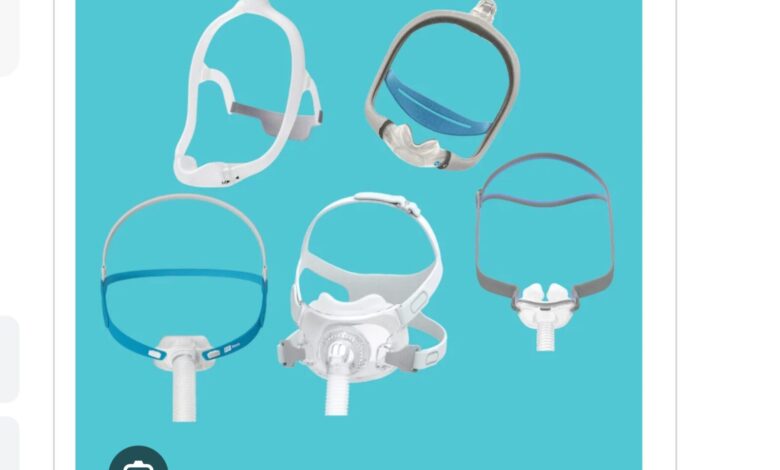
Sleep apnea is an “independent risk factor” for cardiovascular disease and metabolic disease. Apnea and hypopnea lower blood oxygen levels enough that the heart and lungs are significantly stressed. CPAP is the treatment of choice for sleep apnea and in most cases does improve the symptoms as well as lowering the apnea-hypopnea index (AHI). Most sleep apnea patients are overweight, barrel chested, and short-necked. As a patient’s BMI rises, the frequency and severity of sleep apnea also rise. Thus, obesity is a factor in causing sleep apnea, and weight loss is highly recommended for the sleep apneic patient. An adequate reduction in weight helps sleep apnea, but far more importantly it reduces cardiovascular and metabolic disorders.
That’s where GLP-1drugs come in. Because of the significant effect obesity has on the severity of sleep apnea, the FDA and Medicare have both approved GLP-1’s for the treatment of sleep apnea. The specific drug they recommend is Tirzepatide (Zepbound, Mounjaro). This drug has been quite effective at controlling appetite, delaying intestinal transit time, and gastric emptying. These factors contribute to losing up to 25%-30% of our body weight which, in turn, reduces AHI by an average of 25.3 events per hour.
I was approved for Zepbound in February after my sleep study revealed an AHI of 30 events per hour. So in addition to CPAP, I started 2.5 mg of of Zepbound and lost 33 lbs. dropping from 275 lbs to 242 lbs. I have since increased Zepbound to 10 mg, once a week. Since losing weight and taking Zepbound I have also been able to stop taking lisinopril 40 mg, my blood pressure medicine. Off lisinopril, my BP has remained normal.
Oddly enough, only 60% of sleep apnea patients are obese. And the pathologic state of sleep apnea is not dependent on the patient being obese. Some other pathophysiologic abnormality contributes to it as well. Not everybody loses weight on Zepbound, but the majority of patients do. Tirzepatide improves sleep quality which improves daytime functioning and quality of life. Plus it reduces vascular inflammation which is the substrate for developing atherosclerotic plaques.
CPAP and GLP-1’s work in combination to offer the best approach to the obese patient with sleep apnea. So what one drug does alone is increased by the addition of additional treatment. So far since late February I have lost 33 lbs., and have lowered my AHI from 30 to less than 5. I feel better, have far fewer interruptions of my sleep, and no longer snore.
In spite of the cost, I plan to continue Zepbound and CPAP until something happens that tells me not to do either or both. Thus far that hasn’t happened.
References: Raffier N. GLP-1 Therapy and OSA: Promise, But Limits. medscape.com 2026 September 16.