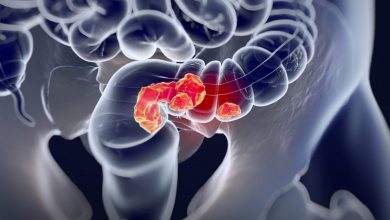
Constipation is a very common problem. Everyone has it at some time in their life, and in the majority of instances it gets better and goes away. Some folks unfortunately have chronic constipation and have either hard stools or infrequent bowel movements all the time. The definition of constipation is an individual description of the bowel function a person has. The official definition, called The Rome Criteria, has four components. They are:
Fewer than three bowel movements in a week
Bowel movements accompanied by straining
Hard stools
A sense of incomplete emptying
In long term cases, constipation often progresses to the passage of fecal material that is like pebbles or a thin ribbon. Soft, formed fecal material is a rare occurrence.
The physiologic causes of constipation include:
Inadequate water/fluid intake
Inadequate fiber intake
Commonly used medications
Chronic Diseases—colon cancer, Parkinson’s disease, diabetes, thyroid disorders, irritable
bowel
Prescription drugs and commonly used OTC medications account for 11% of constipation cases. Oral iron, calcium, calcium channel blockers (BP and anti-arrhythmic drugs), beta blockers (BP, arrhythmia, tremor drugs), and anti-cholinergic drugs (intestinal motility calming drugs) are some of the more common culprits. GLP-1’s are known to cause slowing of the entire GI tract so constipation has become an adverse effect of this class of drugs.
Many chronic diseases are accompanied by constipation. Parkinson’s disease patients become constipated before they develop movement problems. Irritable bowel syndrome can have as its major symptom either diarrhea or constipation, and it’s difficult decide which is the lesser evil. Thyroid disorders, especially hypothyroidism (under-active thyroid), slow bodily functions including GI motility and cause constipation.
Another less common problem involves the nerve network in the Anorectal area. It’s called rectal dyssynergia and is characterized by involuntary contractions of the anal sphincters, the muscles that control emptying of the rectum. In rectal dyssynergia the sphincters contract when they should be relaxed causing incomplete emptying or the inability to empty the rectum.
An important axiom that stems from constipation is that if you’re in your 30’s, 40’s, or 50’s and develop new onset, unexplained constipation, you need to have a colonoscopy. You have colon cancer until proven otherwise. In fact, any change in bowel habits warrants colonoscopy. If you don’t have colon cancer, it may still find the cause for the change.
Treatments for constipation are numerous. It starts with an increase in fiber and fluids in our diet. We need about 14 g fiber for every 1000 calories we eat. A daily goal of 28-32 grams is ideal. But eating an adequate amount of fiber can be very difficult. It needs time and water to work. Supplements such as psyllium help but produce gas. Metamucil and Citrucel are very effective supplements that contain psyllium.
Another agent is the osmotic laxative Miralax. When taken daily, it will get you going and keep it steady. Stimulants like Dulcolax and Senokot will get you started, but should be replaced by daily psyllium or Miralax.
Other advice is to not postpone defecation. Go when you have the urge. Going to the bathroom immediately, or shortly, after breakfast may establish a routine. Limit toilet time to 3-5 minutes because longer is counterproductive and leads to rectal problems, ie. hemorrhoids, rectal distension.
Constipation is a “whole body issue” meaning it has many causes and even more effects. Lack of sleep, stress, immobility, and bad diet are some of the causes that contribute to constipation and can make you feel bad all over.
Reference: Maher D. Constipation: Specialists share Tips to Help Patients Find Relief. Medscape 2026 March 31. www.medscape.com/viewarticle/constipation-specialists-