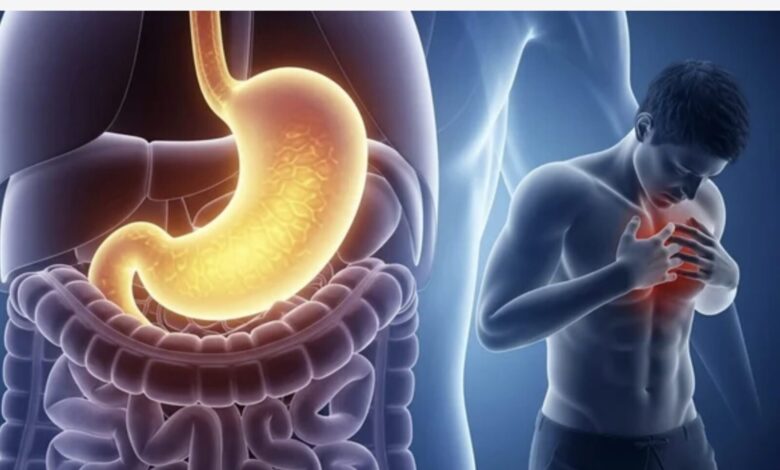
If you take a non-steroidal anti inflammatory drug (NSAID), such as ibuprofen, naproxen, or diclofenac, you may be aware of their tendency to cause gastric and duodenal ulcers, gastritis, esophagitis, and other inflammatory disorders of the GI tract. These disorders are occasionally accompanied by GI bleeding, a major complication that seems to happen all too frequently. For years, Proton pump inhibitors, PPI’s, have been the drugs of choice for relieving the symptoms caused by NSAID’s and for the prevention of the GI disorders associated with NSAID use.
NSAID’s are prescribed for acute and chronic musculoskeletal problems and as such are frequently taken long term. Long term NSAID use is countered by the long term use of PPI’s. (I addressed chronic use of PPI’s in a recent blogpost.) PPI’s reduce the symptoms of dyspepsia and heartburn and improve the quality of life for patients on long term NSAID therapy. They also are thought to prevent gastric and duodenal ulcers induced by NSAID’s, but proof of this is lacking. PPI’s protect the stomach by reducing gastric acid secretion. With less acid in the stomach, the irritative effects of NSAID’s are reduced and the tendency for ulcers to form is lowered.
Numerous studies have shown that compared to placebo, PPI’s reduce dyspepsia and improve quality of life in patients on NSAID’s. One small study suggested PPI’s actually increased NSAID-induced ulcers when compared H2 blockers. But there isn’t a doctor in America who wouldn’t prescribe a PPI for any patient on an NSAID long term. Another recommendation that eliminates the need for a PPI is to use a “second generation” NSAID called a COX-2 inhibitor instead of ibuprofen et al. Cyclooxygenase-1 and 2 are enzymes produced in the stomach. COX-1 is always present and actually protects the stomach lining. COX-2 is produced in response to inflammation, like that caused by NSAID’s. Regular NSAID’s block both COX-1 and 2 enzymes, removing the protection to the stomach lining. COX-2 inhibitors block only COX-2 sparing COX-1 so the protective layer remains, and the NSAID is not harmful to the stomach. Celebrex (celecoxib) is the only COX-2 inhibitor currently available in the US.
Dr. G’s Opinion: Until I read the article warning about long term use of proton pump inhibitors, I would have told you they were completely safe. That’s open for debate, now. Patients on long term NSAID’s are at risk for inflammatory GI problems so to counteract that effect, PPI’s are prescribed. Now it appears that long term use of PPI’s is not innocuous, and periods of rest from taking them are advised. Whether PPI’s actually prevent NSAID-induced ulcers is not known, but doctors prescribe PPI’s as if they do.
Reference: Johns T, Lawrence E. Proton Pump Inhibitors to prevent NSAID-Induced Ulcers and Dyspepsia Am Fam Phys 2025 December;112(6):607-608.